

Short-term stabilisation in community care is a specialist approach that provides intensive, time-limited support for people experiencing acute mental health difficulties, helping them remain safe, reduce immediate risks and move towards recovery without unnecessary reliance on inpatient care wherever appropriate.
In this guide, you’ll learn what short-term stabilisation involves, who can benefit from it, how it supports people during a mental health crisis and after hospital discharge, and why rapid, personalised community mental health support plays a vital role in improving outcomes for individuals, families and health and social care professionals across the UK.
What Is Short-Term Stabilisation in Community Care?
Short-term stabilisation in community care is a specialist, time-limited service that provides intensive support for people experiencing a mental health crisis or a significant decline in their mental wellbeing. Its purpose is to reduce immediate risks, restore stability and help people recover safely in the community wherever possible, rather than relying on prolonged hospital care.
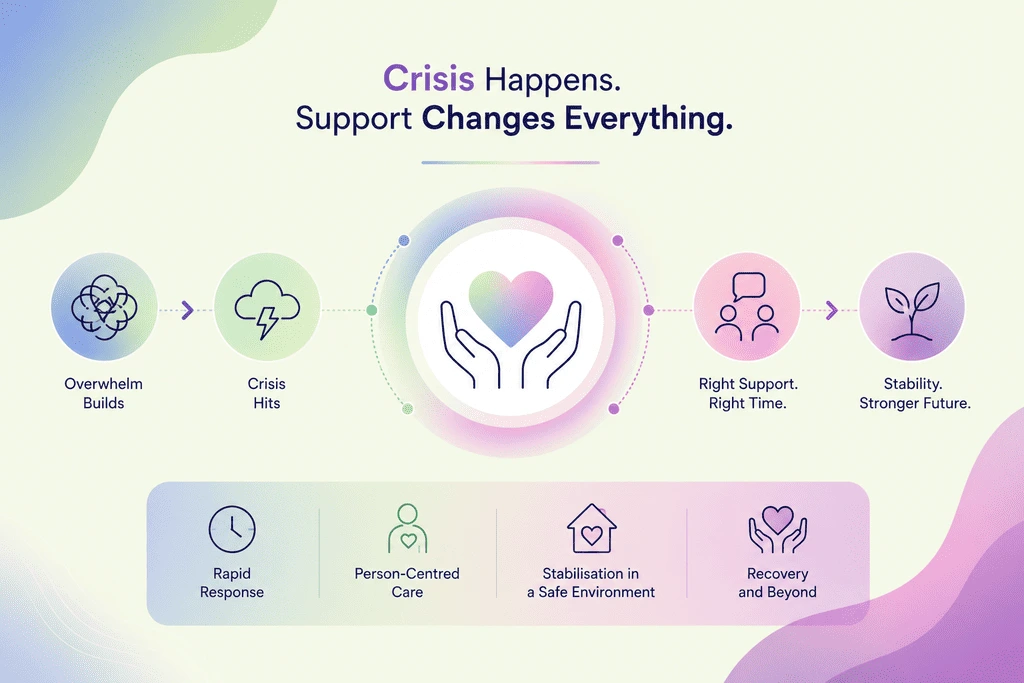
Short-term stabilisation bridges the gap between crisis and longer-term recovery by delivering rapid, personalised support when it is needed most.
Key features of short-term stabilisation include:
- Rapid intervention to respond quickly when someone’s mental health deteriorates.
- Intensive, personalised support tailored to the individual’s clinical, emotional and practical needs.
- Community-based care that helps people remain safely at home or supports a timely hospital discharge.
- Multidisciplinary input, which may include mental health nurses, Positive Behaviour Support (PBS) practitioners, occupational therapists, psychologists and social care professionals.
- Risk reduction and crisis prevention through ongoing assessment, proactive planning and therapeutic support.
- Recovery-focused care that builds confidence, independence and the skills needed for longer-term stability.
- A clear transition plan into ongoing community mental health services or other appropriate support once stabilisation has been achieved.
Short-term stabilisation focuses on the critical period when a person’s needs are highest. By combining clinical oversight, practical support and therapeutic approaches, it creates the stability needed for people to recover, rebuild daily routines and move towards longer-term independence with the right ongoing support.
People with histories of trauma are significantly more likely to experience severe mental health difficulties, crisis presentations, self-harm, and psychiatric hospital admission than those without trauma histories. This is why we use a Trauma Recovery Model of Care. See how our approach helps people heal from trauma, regain stability, and move forward with the right support.
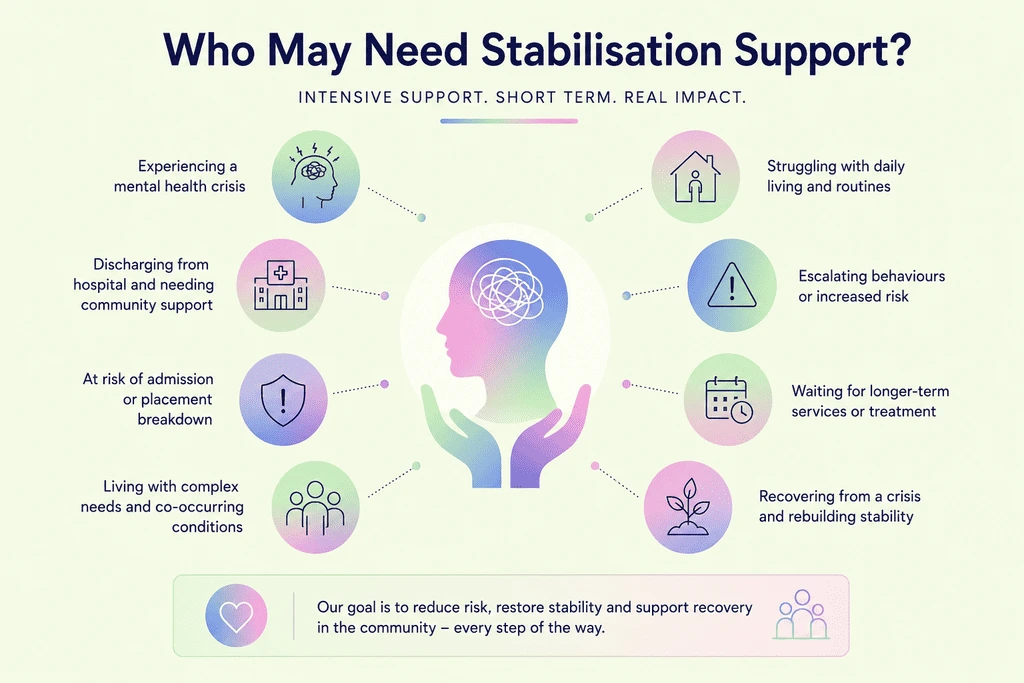
Who May Need Stabilisation Support?
Short-term stabilisation is designed for people whose mental health has deteriorated to the point where they need intensive support but may not require, or no longer require, inpatient treatment. Every situation is different, but the aim is always the same: to provide timely, person-centred care that restores stability, reduces risk and supports recovery in the community.
People who may benefit from short-term stabilisation include those who are:
- Experiencing a mental health crisis, such as severe anxiety, depression, psychosis or significant emotional distress that is affecting their safety or daily functioning.
- Leaving an inpatient mental health unit and requiring specialist support to ensure a safe and effective transition back into the community.
- At increased risk of hospital admission, placement breakdown or repeated crises without rapid intervention.
- Living with complex mental health needs alongside autism, a learning disability, acquired brain injury or other co-occurring conditions that require coordinated, specialist support.
- Struggling to manage everyday activities because their mental health symptoms have become overwhelming.
- Experiencing escalating behaviours of concern, increased risk-taking or self-neglect that indicate additional support is needed.
- Waiting for longer-term mental health treatment or community services and requiring intensive support to remain safe and stable in the meantime.
- Recovering from a recent mental health crisis and needing a structured plan to rebuild routines, confidence and independence while reducing the likelihood of relapse.
When Is Short-Term Stabilisation Needed?
Short-term stabilisation is needed when a person is experiencing a significant decline in their mental health, emotional wellbeing or behaviour that places them at risk of hospital admission, placement breakdown or harm to themselves or others. The aim is not simply to respond to a crisis, but to provide timely, intensive mental health care that helps restore stability, reduce immediate risks and create the conditions for longer-term recovery within the community whenever possible.
The NHS recognises that a high number of people from Community Mental Health Teams requiring hospital admission may indicate missed opportunities for earlier community intervention and crisis prevention.
Across the UK, behavioural health crisis services are increasingly recognising that early, community-based intervention can prevent avoidable admissions and support better outcomes for people, families and health and social care systems.
Short-term stabilisation may be appropriate when someone is experiencing:
- A rapid deterioration in their mental health, behaviour or emotional regulation.
- Increasing distress that existing support is no longer able to manage safely.
- A heightened risk of admission to an inpatient mental health unit or emergency department.
- Placement instability, repeated breakdowns in care, or the risk of losing community accommodation.
- Escalating behaviours that challenge due to unmet mental health, sensory, communication or trauma-related needs.
- A difficult transition following discharge from hospital, residential care or another service, where additional support is needed to prevent relapse.
- Significant changes in medication, physical health or life circumstances that have affected emotional wellbeing and daily functioning.
- Complex situations requiring coordinated input from behavioural health crisis services, community teams and mental health services administration to ensure safe, person-centred care planning and continuity of support.
Early access to short-term stabilisation allows professionals to address the underlying causes of distress before they develop into more serious or restrictive interventions. By combining intensive community support, multidisciplinary assessment and personalised care planning, services can help people regain stability while maintaining their independence, relationships and connection to their local community.
Following a Hospital or Inpatient Discharge
Discharge from a psychiatric hospital does not always mean a person has regained the level of stability needed to cope safely with life in the community. While the immediate crisis may have reduced, many people are still experiencing fluctuating mental health symptoms, changes to medication, disrupted sleep, heightened anxiety or difficulties managing everyday responsibilities without the structure of an inpatient setting.
This is often when short-term stabilisation is most valuable. Through frequent, responsive input from mental health professionals, intensive community support can identify early signs of deterioration, respond before concerns escalate, and provide the consistency needed until longer-term services or natural support networks are fully established.
During a Mental Health Crisis
A mental health crisis can affect every aspect of a person’s ability to function, from making safe decisions and maintaining personal care to communicating with others or managing overwhelming emotions. Some people experience escalating anxiety, psychosis, severe depression, suicidal thoughts, self-harm, or behaviours that place themselves or others at risk, while others gradually become unable to cope with everyday demands despite ongoing outpatient services.
These situations often require a higher level of intervention than routine appointments can provide. Intensive community support allows mental health professionals to monitor changing risks, review how the person responds to treatment, involve family and wider services where appropriate, and adjust support as needs change, helping to prevent further deterioration during the most unstable stage of a mental health crisis.
When a Placement is at Risk of Breakdown
Placement breakdown is often the result of a growing mismatch between a person’s changing needs and the support available around them. A package of care that was effective six months ago may no longer be suitable if mental health issues have become more complex, trauma responses have intensified, medication has changed, or new risks have emerged.
Staff turnover, inconsistent approaches, reduced community resources and delays in accessing specialist input can place additional pressure on the placement, creating a cycle of escalating incidents and reactive care. Recognising these pressures early gives providers and commissioners an opportunity to review the support model, strengthen clinical oversight and introduce targeted interventions before the placement becomes unsustainable.
Key Goals of Short-Term Stabilisation
Short-term stabilisation focuses on creating the conditions needed for recovery when a person’s mental health has become unstable or their current support is no longer meeting their needs. While every plan is tailored to the individual, the overall aim is to reduce immediate risks, restore day-to-day stability, and build a clear pathway towards longer-term care and independence.
- Provide immediate support: Respond quickly to changing needs with intensive, coordinated intervention that helps prevent further deterioration, reduces crisis presentations, and ensures the right support is available when it is needed most.
- Create a safe and secure environment: Establish consistent routines, therapeutic relationships, and predictable support that reduce distress, promote emotional regulation, and help people feel safe enough to engage with care, whether at home or in another community setting.
- Support the treatment process: Work alongside clinical teams to reinforce treatment plans, monitor progress, encourage engagement with appointments and medication where appropriate, and ensure support adapts as the person’s mental health and recovery goals evolve.
Reducing Immediate Risks
The first priority during short-term stabilisation is keeping the person safe while reducing the factors driving the crisis. Immediate intervention allows support teams to respond quickly when someone is experiencing acute symptoms, increasing distress, or behaviours that place their wellbeing at risk. Instead of waiting for the situation to worsen, the focus is on reducing immediate pressure, identifying what has changed, and providing immediate relief through practical, consistent support.
For example, a person who has stopped taking medication because of severe anxiety may receive daily visits and medication support until they are well enough to manage independently again.
Restoring Daily Routines
When mental health becomes unstable, everyday routines are often the first things to disappear. Sleeping through the night, preparing meals, attending appointments or keeping the home organised can quickly become overwhelming, making recovery even more difficult. Restoring these routines helps create predictability, reduces stress, and gives people a stronger sense of control over their day.
For example, supporting someone to wake up at the same time each morning, eat regular meals, and attend a weekly therapy appointment can provide the structure needed to rebuild confidence and maintain progress.
Preventing Escalation
Many crises follow a pattern of gradually increasing distress before reaching a point where emergency services become involved. Recognising these early warning signs creates an opportunity for timely crisis intervention, helping to address concerns before they develop into hospital admission or placement breakdown. Regular monitoring, close communication with families and professionals, and flexible support make it easier to respond as needs change.
For example, if a person begins withdrawing from support, missing appointments, and showing signs of increasing paranoia, intensifying community support at that stage may prevent the crisis from becoming severe enough to require inpatient care.
Improving Emotional and Psychological Wellbeing
Recovery involves much more than reducing symptoms. Many people continue to experience anxiety, low mood, trauma responses, or other mental health challenges that affect relationships, confidence, and everyday life long after the immediate crisis has settled. Emotional wellbeing improves when people feel understood, have consistent support, and develop practical strategies for managing difficult situations.
For example, helping someone recognise the early signs of emotional overwhelm and practise coping techniques before reaching crisis point can reduce future episodes and improve their ability to manage independently over time.
What Does a Short-Term Stabilisation Programme Involve?
Every short-term stabilisation programme is designed around the person’s individual circumstances, recognising that no two mental health crises follow the same path. Support combines immediate assistance, clinical oversight, and practical interventions to reduce risks, improve day-to-day functioning, and help people move towards longer-term recovery in the community.
Immediate Assistance
The first stage focuses on understanding what is happening now and responding without delay. A comprehensive assessment explores current risks, mental state, physical health, environmental factors, and existing support, allowing the team to prioritise the most urgent needs.
For example, if someone has stopped eating, withdrawn from family, and missed several mental health appointments, immediate assistance may include daily welfare visits, practical support, and close monitoring while a longer-term plan is developed.
Medication Management
Effective medication management involves much more than reminding someone to take their medication. Mental health professionals monitor how treatment is affecting symptoms, identify potential side effects, recognise early signs that medication may no longer be effective, and communicate closely with prescribing clinicians.
For example, increasing agitation after a medication change may prompt a clinical review before the person’s mental health deteriorates further.
Multi-Disciplinary Collaboration
Successful stabilisation depends on Multi-Disciplinary Collaboration between mental health nurses, psychiatrists, psychologists, occupational therapists, PBS practitioners, social workers, families, and commissioners. Bringing different professionals together creates a shared understanding of risks, treatment goals, and support strategies, helping everyone respond consistently instead of working in isolation.
PBS Support
PBS Support helps teams understand the purpose behind behaviours instead of focusing only on the behaviour itself. By identifying triggers, unmet needs, communication differences, sensory factors, and environmental influences, Positive Behaviour Support reduces distress while improving quality of life.
For example, repeated incidents during busy supermarket visits may be linked to sensory overload rather than non-compliance, allowing the support plan to be adapted to prevent future crises.
Preventing Crises and Supporting Recovery
Preventing future crises begins with understanding why previous crises happened. Patterns such as missed medication, poor sleep, substance misuse, social isolation, sensory overload, untreated trauma, or difficulties engaging with services can all increase the likelihood of another mental health crisis. Identifying these factors early allows support teams to introduce targeted interventions, strengthen protective factors, and create a structured environment that reduces the risk of repeated hospital admissions.
For example, if previous crises consistently followed missed mental health appointments, additional support can be introduced to maintain engagement with treatment before the person’s mental health deteriorates.
Supporting a person’s recovery journey means helping them regain the level of stability needed to live as independently as possible after a crisis.
This includes:
- Rebuilding daily routines
- Improving emotional regulation
- Managing ongoing symptoms
- Developing confidence to make everyday decisions
- Reconnecting with family, education or employment where appropriate
- Ensuring the right community services remain in place after intensive support ends
Recovery is measured by improved quality of life and sustained stability, not simply by the absence of symptoms.
Short-Term Stabilisation with Nurseline Community Services
At Nurseline Community Services, short-term stabilisation is designed for people whose needs have changed rapidly and who require intensive support to regain stability in the community. Our nurse-led teams work closely with NHS services, local authorities, families, and wider multidisciplinary professionals to understand what has contributed to the current crisis and what is needed to reduce the risk of further deterioration. Whether someone is leaving the hospital, experiencing a breakdown in their current placement, or struggling to engage with long-term treatment, our focus is on providing timely, responsive support that reflects the person’s individual needs, strengths, and goals.
Every intervention is planned with the next stage in mind, helping people transition into ongoing care with the right clinical input, practical support, and community resources already in place.
By creating a supportive environment, strengthening existing support networks, and maintaining close communication with mental health professionals, we help reduce avoidable admissions to the emergency room, minimise disruption to people’s lives, and promote safer, more sustainable outcomes within their own communities.
If you or someone you support needs an urgent crisis response or stabilisation support, contact our team today to find out how we can help.