

Key Takeaways
- ODD often begins in early childhood, sometimes before age seven.
- Around 1 in 3 children with ADHD also have ODD.
- Frequent temper tantrums do not necessarily mean a child has ODD.
- ODD can overlap with autism, anxiety, depression and learning or communication difficulties.
- Behaviour that looks defiant can sometimes be linked to anxiety, overwhelm, frustration or communication difficulties.
- Most children with ODD do not develop conduct disorder.
- Parent training and family therapy can reduce conflict and improve everyday interactions.
- With the right support, ODD symptoms can improve over time.
Every child says “no”, pushes boundaries or has moments when emotions take over. So when does defiance become more than that?
Oppositional defiant disorder (ODD) is a recognised mental health condition where patterns of anger, irritability, arguing and defiance become persistent enough to affect everyday life. ODD also commonly occurs alongside ADHD, with recent research finding it in around one in three children and young people with ADHD.
For parents wondering, “Is this typical for their age?” and for carers and professionals trying to understand how best to respond, this guide explores what ODD looks like, what can contribute to these behaviours, and the support that can make a difference.
What is Oppositional Defiant Disorder in Children?
Oppositional defiant disorder (ODD) is a mental health condition that affects how children manage emotions and behaviour. The Diagnostic and Statistical Manual of Mental Disorders (DSM-5-TR) places ODD within disruptive, impulse-control and conduct disorders and describes three key areas: angry or irritable mood, argumentative or defiant behaviour, and vindictiveness.
What separates ODD from the boundary-pushing and emotional outbursts that can be part of growing up is the behaviour’s pattern, frequency, and impact. DSM-5-TR criteria require at least four symptoms to persist for six months or longer, with consideration given to the child’s age and developmental level. Symptoms may first appear at home, but their impact can extend to school, friendships, and family relationships.
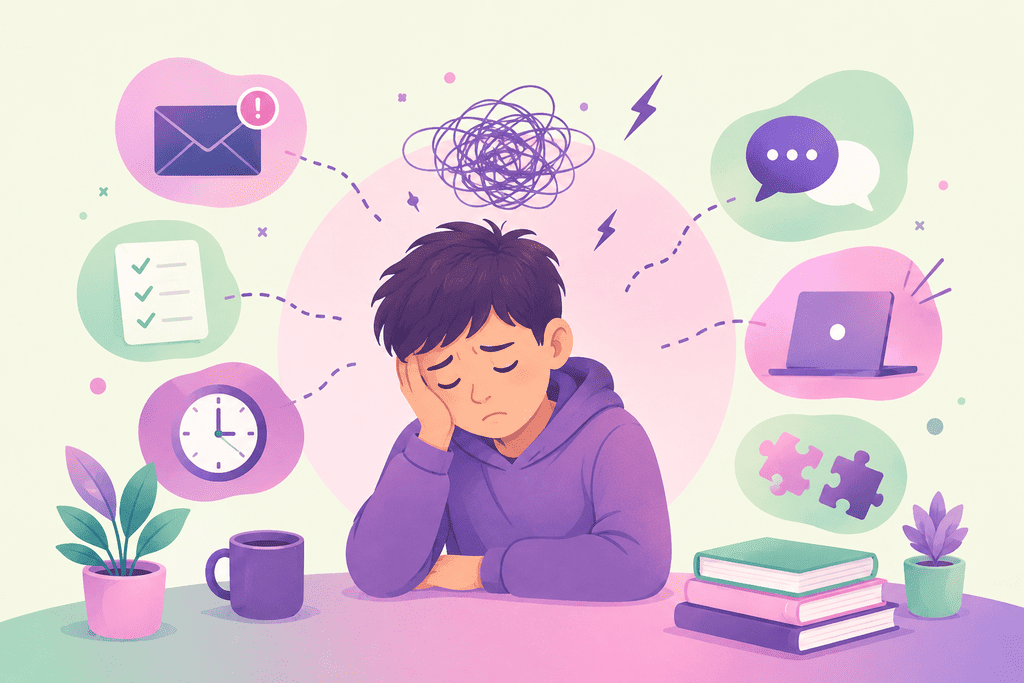
One pattern in parents’ experiences of raising a child with ODD is that the exhaustion often comes from the constant cycle of negotiating, arguing, repeating instructions and using consequences that eventually seem to stop working. Parents also describe how quickly small everyday situations can escalate, and how pushing harder or raising their voice can sometimes intensify the conflict instead of resolving it.

Signs of Oppositional Defiant Disorder in Children
ODD can look different from one child to another, and some behaviours may also occur as part of typical development. What matters is how often they happen, how long they persist and how much they affect the child’s everyday life. The DSM-5-TR groups the main signs into three areas: angry or irritable mood, argumentative or defiant behaviour, and vindictiveness.
Early Signs: Developing ODD
Early signs can be easy to dismiss as a child being “difficult” or going through a phase. The difference is often in the pattern: small, everyday moments repeatedly become much bigger than expected, and both the child and family can find themselves caught in the same conflicts again and again.
- A simple “time to get dressed” regularly turns into an argument
- Being told “no” can lead to an intense emotional reaction
- Everyday boundaries are questioned, challenged or refused
- The child becomes frustrated or annoyed very quickly
- They may feel that others are constantly blaming or correcting them
- Arguments can continue long after everyone else is ready to move on
Emotional Symptoms
Behind the arguments, a child may experience frustration and anger very intensely. Situations that seem relatively small to someone else can feel much bigger in the moment, making it difficult to regulate the emotional response.
- Getting angry quickly when frustrated or challenged
- Feeling easily annoyed by other people
- Reacting strongly to criticism or correction
- Becoming upset when things do not happen as expected
- Holding onto anger or resentment after an argument
- Finding it difficult to calm down and reconnect after conflict
Behavioural Symptoms
The behavioural signs of ODD often appear in ordinary interactions – getting ready for school, completing a task, following a classroom instruction or being asked to stop an activity. Over time, repeated conflict around these moments can affect relationships at home, at school and with peers.
- Frequently arguing about requests, rules or boundaries
- Refusing to do something that has been asked
- Continuing to challenge an adult after a decision has been made
- Deliberately saying or doing things that annoy others
- Blaming someone else when something goes wrong
- Trying to “get back” at someone after feeling hurt or angry
We’ve created a practical ODD Signs and Patterns Checklist to help parents and carers recognise and keep track of behaviours that may need further attention.
Root Causes and Triggers
There is no single known cause of ODD. Research suggests that it can develop through a combination of individual, family and environmental factors, and the combination will be different for every child.
Factors associated with a higher risk of ODD include:
- Temperament – particularly strong emotional reactions, high irritability or difficulty managing frustration from an early age
- Genetics and family history – ODD is more common in families where there is a history of ADHD, mood disorders or other mental health conditions
- Parent–child interactions – repeated cycles of conflict, inconsistent boundaries or harsh discipline can contribute to oppositional patterns becoming established
- Trauma and adverse experiences – including abuse, neglect, exposure to violence or other significant childhood adversity
- Family stress and instability – frequent changes, high levels of conflict or significant pressures within the home can increase vulnerability
- Social environment – difficulties at school, peer rejection and stressful or unstable environments may also contribute to the development or persistence of symptoms
Triggers are different from underlying risk factors. Being corrected, losing access to something valued, changes in plans, demands, frustration or conflict may intensify ODD behaviours in the moment, although triggers will differ considerably between children.
ODD and Overlapping Needs
ODD does not always explain everything a child is experiencing. Some children may have other mental health conditions or developmental needs that affect their emotions, behaviour, learning and relationships. Understanding where these needs overlap can give a clearer picture of what the child is finding difficult and what kind of support may work best.
Commonly overlapping conditions and needs include:
- Attention Deficit Hyperactivity Disorder
- Anxiety disorders
- Depression and mood disorders
- Conduct disorder
- Autism
- Learning difficulties and disorders
ODD and ADHD
Attention deficit hyperactivity disorder (ADHD) is one of the developmental differences most commonly seen alongside ODD. Difficulties with impulse control, attention and emotional regulation can make frustration harder to manage, while repeated demands, correction or conflict may contribute to oppositional responses.
When ODD and ADHD occur together, it is important to understand which difficulties may be linked to impulsivity or attention and which form part of a wider pattern of oppositional behaviour. This can make support more focused on what the child is actually finding difficult.
ODD and Autism
ODD and autism can overlap in how they appear, including resistance to demands, strong emotional reactions and difficulty with changes or expectations. Research estimates that around 1 in 5 autistic children may also meet criteria for ODD, although figures vary between studies.
For example, an autistic child may refuse to leave the house because an unexpected change has caused anxiety or because the environment feels overwhelming. A child with co-occurring ODD may show a broader, repeated pattern of arguing, actively opposing requests and becoming angry or resentful during conflict, including in situations that are not explained by sensory, communication or predictability needs.
ODD and Anxiety and Depression
Children with ODD can also experience anxiety disorders and depression. Anxiety in children does not always look like fear or worry, and depression does not always look like sadness. Both can sometimes appear through irritability, anger, avoidance, withdrawal or strong reactions to everyday situations.
When these difficulties overlap, focusing only on the behaviour can mean important emotional needs are missed. Changes in mood, sleep, enjoyment, confidence, worries and social relationships can provide valuable clues to the wider picture.
ODD and Learning or Communication Difficulties
A child who regularly refuses schoolwork, avoids instructions or becomes angry when asked to complete a task may be struggling with more than the request itself. Learning or communication difficulties can make everyday expectations confusing, frustrating or much harder to meet.
Understanding what the child can process, communicate and manage is therefore important. Adjusting how information is given, allowing more processing time or providing the right learning support can sometimes change the interaction significantly.
ODD and Trauma and Adverse Experiences
Trauma and adverse childhood experiences can affect how a child responds to stress, relationships, boundaries and perceived threat. Anger, mistrust, a strong need for control or resistance to adults may sometimes be ways a child has learned to respond to experiences that have felt unsafe or unpredictable.
Trauma can also exist alongside ODD, so one should not automatically be used to explain away the other. Understanding a child’s experiences alongside their current behaviour can support a more accurate assessment and a response that does not overlook what they have been through.
When ODD can Turn into Conduct Disorder?
Most children with ODD do not go on to develop conduct disorder (CD). However, ODD can increase the risk, particularly when symptoms are severe and persistent or when other difficulties are present.
In one four-year study of children with ADHD + ODD, only 1 of 43 (2.3%) developed conduct disorder during follow-up. Another major longitudinal study found transitions from ODD to conduct disorder were less common than expected, and ODD showed stronger links with later emotional disorders, while conduct disorder was more strongly linked with later behavioural outcomes.
The distinction is important. ODD is mainly associated with anger, irritability, arguing and defiance, while conduct disorder involves more serious behaviours that violate the rights of others or major rules. Warning signs can include aggression towards people or animals, deliberate destruction of property, stealing, serious dishonesty, or repeatedly breaking significant rules. When behaviour moves beyond opposition and conflict into these areas, further professional assessment is important.
How Oppositional Defiant Disorder is Diagnosed
There is no single test used to diagnose ODD. Oppositional defiant disorder is diagnosed through a comprehensive assessment of the child’s behaviour, emotions, development and how difficulties affect everyday life. This usually involves speaking with the child and gathering information from parents or carers, and often teachers, to understand what is happening across different situations.
A professional will look at how long the behaviours have been present, how often they occur, their severity and whether they are outside what would be expected for the child’s age and development.
Assessment should also consider ADHD, autism, anxiety, mood disorders, learning or communication difficulties and other factors that could contribute to similar behaviours.
Professional Treatment and Intervention
Treatment for ODD is usually built around the child, their age, the difficulties they are experiencing and any overlapping needs. A mental health professional may develop a personalised treatment plan that combines approaches such as parent management training, individual or family therapy, problem-solving skills, and support with emotional regulation.
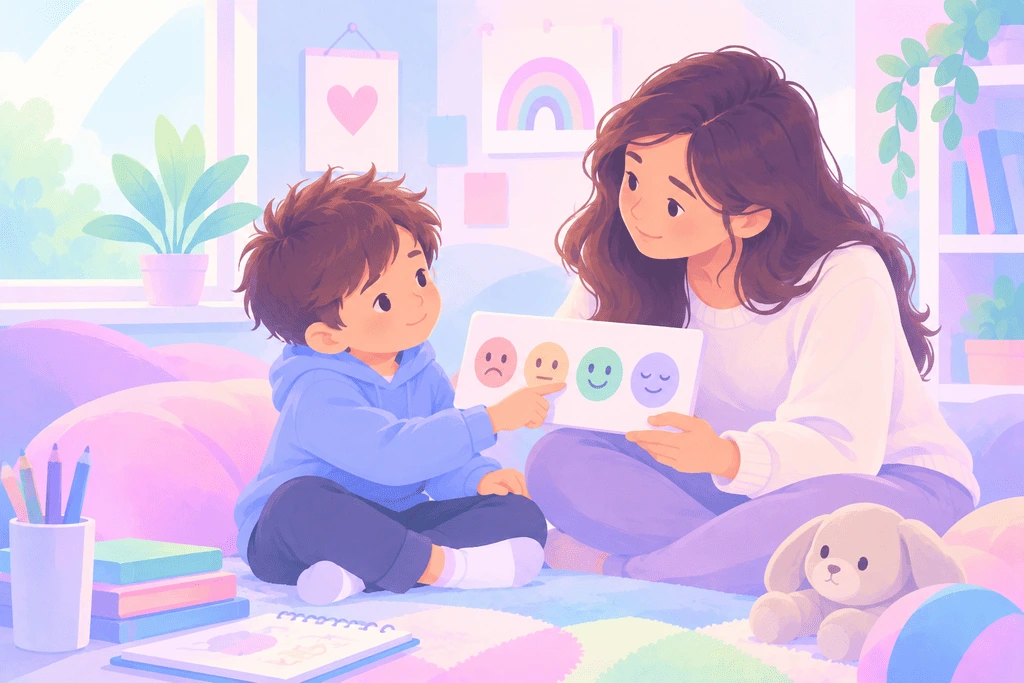
Family members are an important part of treatment, as many of the changes happen through everyday interactions. Parents and carers can learn practical ways to respond to conflict, reinforce positive behaviour, set consistent boundaries, and reduce patterns of escalation, while children develop skills to manage emotions, communicate needs, and respond differently when frustrated or angry.
The most important thing is changing the focus from simply reacting to difficult behaviour to considering what their child might be communicating through that behaviour.
Prevention and Long-Term Mental Health Outcomes
Early treatment can make a real difference, particularly before conflict becomes the family’s normal way of communicating. Treating oppositional defiant disorder often means changing the patterns around ODD symptoms as well as supporting the child themselves. Parent-focused approaches can teach families when to hold a boundary, when to avoid a power struggle, how to reinforce positive behaviour and how to respond without escalating an already difficult moment. Family therapy may also help when repeated arguments have affected trust and relationships at home.
Progress is often seen in ordinary moments: fewer arguments over getting ready for school, a child recovering more quickly after being told “no”, or a parent giving an instruction without it becoming a lengthy negotiation. Early treatment can strengthen these skills while addressing ADHD, anxiety, trauma or other needs that may be contributing to difficulties, with the aim of reducing the longer-term impact on relationships, education and mental health.
How Nurseline Community Services Can Help
For some children and young people, ODD sits within a wider combination of mental health, developmental and behavioural needs. When difficulties begin to escalate, affect family life or make it harder to maintain support at home or in the community, Nurseline Community Services can bring specialist clinical and therapeutic expertise directly to the person.
Depending on what is happening, support can include:
- Crisis intervention – a response within 2 hours when there is an urgent change in needs or growing risk of placement breakdown.
- Ongoing community support – short or long-term input focused on stability, relationships and everyday life.
- Returning home from hospital – coordinated support before, during and after discharge to establish the right support in the community.
- Complex and forensic needs – specialist input where mental health needs are combined with additional risks or a forensic history.
- Planned or short-notice respite – familiar, consistent support for the person while family members and carers take time away from caring responsibilities.
Our Community Psychiatric Nurses and multidisciplinary team work with the person, family and wider professionals to understand what is happening and put the right support around them.
Contact our team to discuss your current needs and the next steps for support.
FAQs
Can a child with ODD control their behaviour?
Children with ODD are not simply choosing to be difficult. They may manage better in some situations than others, but anger, frustration and established patterns of responding can make it much harder to react differently in the moment.
Why is my child with ODD worse with me than with other people?
Behaviour can change depending on the relationship, setting, expectations and demands involved. A child behaving differently at school or around other adults does not mean that difficulties at home are deliberate or caused by the parent.
How should I respond when my child with ODD refuses or argues?
Keep requests clear and avoid getting drawn into a long back-and-forth. Offering two acceptable choices can sometimes give the child more control while keeping the boundary clear. If emotions are escalating, allowing time to settle before returning to the issue may be more productive than continuing the argument.
Why do the approaches I use with my other children not always work with ODD?
Children respond differently to demands, boundaries and frustration. With ODD, repeated warnings, lengthy explanations or escalating consequences can sometimes create more conflict. Consistency, positive reinforcement and understanding what tends to trigger difficult interactions can be more useful.